


Key Takeaways
- Basic eye exams in BC can often range from $75 to $150, with some tests adding to that base cost.
- MSP provides coverage toward annual eye exams for children under 19 and adults 65 and older, as well as certain adults with qualifying medical conditions. Additional fees may apply for services or diagnostic testing not covered by MSP.
- A thorough exam at Discover Eyecare includes vision testing, eye health evaluation, and may include retinal imaging or a dry eye assessment.
- Glasses, contact lenses, and condition-specific treatments are separate costs to plan for.
- Adults are usually recommended to have an exam every 1 to 2 years, while children and people with certain medical conditions should plan for annual visits.
If you’ve ever searched for eye care and wondered what you’d actually pay before booking, you’re not alone. At Discover Eyecare, our patients often ask about costs before their first visit, and the answer isn’t always simple. Eye exam costs in BC vary widely depending on your age, your eye health, and what the exam covers.
In BC, a standard eye exam can often cost between $75 and $150. The Medical Services Plan (MSP) provides coverage toward eligible eye exams for children under 19, adults 65 and older, and some adults with qualifying medical conditions. It’s important to remember that additional fees may apply for diagnostic testing or services that aren’t covered by MSP.
What You Can Expect to Pay for an Eye Exam in BC
Typical Price Range in BC
For adults in BC who don’t qualify for MSP coverage, a basic eye exam may run between $75 and $150. That range reflects differences in clinic location, equipment used, and what’s included in the visit. Some clinics charge a base fee and then add costs for individual tests, while others bundle services together.
For patients who qualify for MSP coverage, the plan contributes toward the eligible portion of the eye exam. However, MSP doesn’t cover some diagnostic tests and additional services, so even with MSP contribution, you may still have a balance to pay at the end of the exam.
Our staff can help explain what you’re covered for and what you can expect to pay out of pocket so that you don’t feel surprised at the end of your visit.
What Affects the Final Cost
Not every exam looks the same. If your optometrist, the eye doctor who can prescribe glasses, contacts, and eye medications, recommends additional testing, those can add to your total. A few things that shape the final number:
- Specialized tests like retinal imaging or visual field testing may carry their own fees.
- The type of exam you need depends on your age and current eye health.
- Private insurance coverage, if you have it, may offset part or all of the cost.
MSP Coverage and Who Qualifies in BC
Who MSP Covers
BC’s Medical Services Plan covers eye exams for certain groups:
- Children from 0–18 are eligible for coverage for 1 eye exam per year.
- Adults 65 and older are eligible for coverage for 1 eye exam per year.
- Adults with qualifying medical conditions, such as diabetes, may also be eligible for MSP coverage.
MSP coverage applies to the eligible portion of your eye exam. Additional fees may apply for diagnostic tests or services that aren’t covered by MSP. Your optometrist can explain what is included in your exam and let you know if additional fees apply.
Income Assistance and Healthy Kids Program
There are 2 additional programs worth knowing about if cost is a concern. Adults receiving income assistance can receive up to $48.90 toward an eye exam every 2 years. The BC Healthy Kids Program can help with the cost of glasses for children who qualify. It’s worth asking the clinic’s team whether these programs apply to your family.
What Happens During a Thorough Eye Exam
Core Vision Tests
A thorough eye exam covers more than a simple check of how clearly you see. At Discover Eyecare, your eye doctor can assess your vision and determine the prescription you need to see clearly and comfortably.
Beyond your visual acuity, your optometrist also assesses the health of your eyes. This part of the exam can sometimes detect conditions early, before you notice symptoms at home. Depending on your needs, this may include:
- Retinal imaging for a detailed look at the structures at the back of your eye.
- A slit-lamp exam or dilation to assess internal eye structures.
- A meibomian gland scan if dry eye disease (DED) is a concern. Meibomian glands are small glands along the eyelid that produce the oily layer of your tears.
Other Costs to Budget for Beyond the Exam
Glasses and Contact Lenses
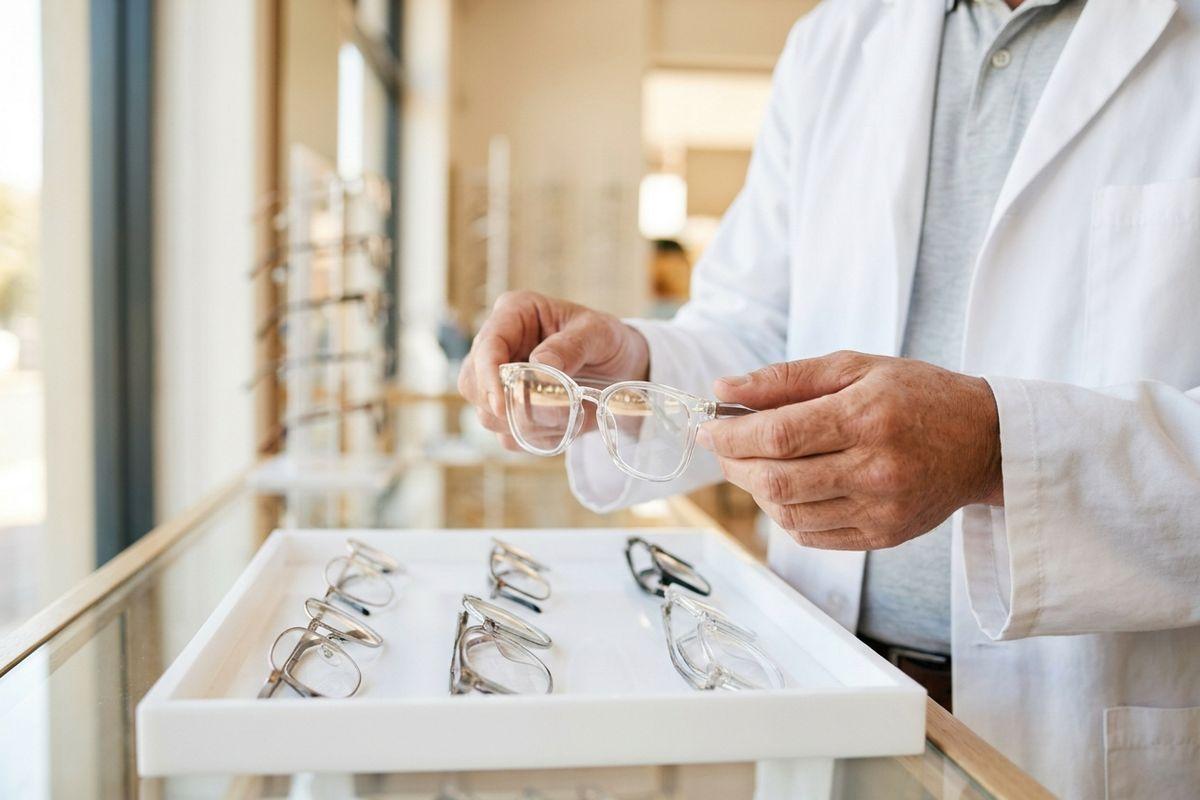
The exam itself is only part of the picture. If you need corrective lenses, that’s a separate cost to plan for. Frames and lenses vary widely in price, depending on the materials and lens type. Contact lens fittings are also typically charged separately from the exam fee, since the optometrist needs to assess how a lens fits your specific eye.
Condition-Specific Treatments
Some patients need more than a routine exam and a prescription. If that’s you, it helps to know what other services might come up during or after your visit. These can include:
- Dry eye treatments such as intense pulsed light (IPL) therapy or radiofrequency therapy, which are separate from a standard exam.
- Myopia control programs for children, which can help slow the progression of nearsightedness.
- Follow-up visits for diabetes-related eye care, since people with diabetes benefit from more frequent monitoring.
How Often You Should Book an Eye Exam
Recommended Frequency by Age and Health
How often you should see an optometrist depends on your age and your eye health history. Here is a general recommendation based on age:
- For generally healthy adults, have an exam at least every 1 to 2 years.
- For children, yearly eye exams can help catch vision issues during key years of visual development.
- For adults 65 and older and people with diabetes, annual visits are important to detect eye disease early.
If you’re curious about what could work for your family, ask your eye doctor for an eye exam schedule tailored to your needs.
Signs You Shouldn’t Wait for Your Next Scheduled Exam
Routine scheduling matters, but some changes in your vision or your child’s behaviour warrant earlier action. Watch for things like:
- Blurry vision, headaches, or eye strain after screen use.
- Noticeable changes in your child’s reading, focus, or school performance.
- Any sudden change in vision at any age.
If any of these appear or worsen, book sooner rather than waiting for a scheduled appointment.
Book Your Eye Exam at Discover Eyecare
At Discover Eyecare, our team takes time with every patient, whether it’s a child’s first exam, a routine visit for an adult, or a more involved appointment for dry eye treatment or diabetic eye care. With clinics in Abbotsford and Chilliwack, BC, we serve families across the Fraser Valley, including Mission, Aldergrove, Cultus Lake, and Yarrow.
Ready for your next visit? Book an eye exam today!