

Key Takeaways
- Glaucoma often causes no pain or obvious symptoms until significant vision loss has already occurred.
- Slow peripheral (side) vision loss and sudden eye pain are both warning signs worth checking.
- Some people face a higher risk, including adults 55+, those with a family history, and people with diabetes.
- A thorough eye exam can detect glaucoma, often before you notice any changes yourself.
- Early detection can help slow progression and protect the vision you have.
Most people think of glaucoma as something that announces itself, a noticeable blur or a sudden change that prompts a doctor’s visit. The reality is that glaucoma, a condition that damages the optic nerve and disrupts the signals your eye sends to your brain, takes hold quietly, often long before you notice anything feels off.
That silence is exactly why knowing the warning signs matters. Vision lost to glaucoma does not come back. But catching it early, through a proper eye exam at Discover Eyecare, can help you hold on to the sight you have right now. Our team at both the Abbotsford and Chilliwack clinics looks for signs of glaucoma as part of every comprehensive eye exam.
What Glaucoma Does to Your Vision
Glaucoma damages your optic nerve. That nerve carries visual information from your eye to your brain, so when it’s compromised, that communication breaks down.
What makes glaucoma particularly tricky is how quietly it often moves. Many people have no pain, no blurry vision, nothing that feels like a red flag, until the damage is already significant. By the time most patients notice something is wrong, a meaningful amount of peripheral vision, the sight at the outer edges of your visual field, may already be gone. Unlike a broken bone or a healed cut, that loss cannot be repaired.
Warning Signs That Deserve Attention
These are the ones that tend to fly under the radar for years. Your brain is remarkably good at filling in gaps, which means you may not notice peripheral vision quietly narrowing in one or both eyes until it’s quite reduced. Some people notice they need a new prescription more frequently than expected, without an obvious explanation. Others describe a slight haziness, especially in dim lighting, that they chalk up to tiredness or age.
None of these symptoms scream urgency on their own. That’s what makes them worth mentioning to your optometrist, especially if they’re new or seem to be gradually changing.
Sudden Signs That Need Prompt Care
A different form of glaucoma, called acute angle-closure glaucoma, can come on fast and hard. The signs here are harder to miss, but easy to misread as something else entirely.
Watch for these sudden symptoms:
- Severe eye pain or a feeling of intense pressure, often paired with a headache.
- Nausea that comes on alongside a sudden drop in vision quality.
- Coloured halos or rings appearing around light sources.
If any of these show up, don’t wait for them to pass on their own. Get care promptly.
Who Faces a Higher Risk of Glaucoma?
Glaucoma doesn’t affect everyone equally. Certain factors put some people in a higher-risk group, and knowing where you stand helps you decide how closely to pay attention.
You may be at higher risk if any of these apply to you:
- You’re 55 or older, or you have a family history of glaucoma.
- You live with diabetes, high blood pressure, or have had a past eye injury.
- You have naturally high eye pressure or a significant degree of nearsightedness.
Having one or more of these factors doesn’t mean you’ll develop glaucoma. It does mean regular eye exams become a more important part of your routine.
How a Glaucoma Eye Exam Works
What Your Eye Doctor Checks
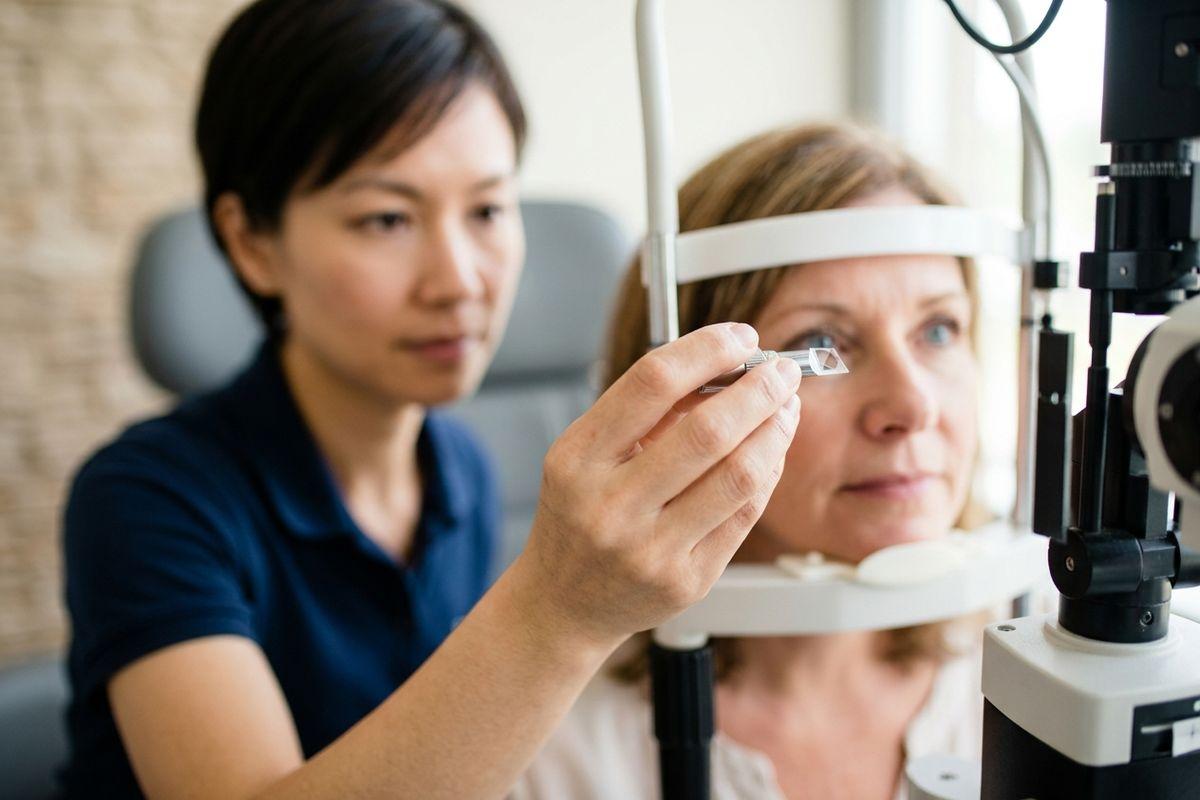
A glaucoma assessment fits within a comprehensive eye exam. Your optometrist measures the pressure inside your eye using a process called tonometry, checks your optic nerve directly using imaging technology, and tests your peripheral vision through a visual field test. Together, these give your eye doctor a clear picture of what’s happening inside your eye, even when you feel completely fine.
Can You Live with Glaucoma Without Going Blind?
Yes, many people do. Early detection is the key factor.
When glaucoma is caught early, there are options to help slow its progression and protect the vision you still have. Regular monitoring becomes part of life, but it’s manageable. What raises the risk of further loss is skipping follow-up appointments. Glaucoma doesn’t plateau on its own, and ongoing care is how you stay ahead of it.
Steps to Protect Your Vision
Whether you’ve been diagnosed or just want to stay ahead of risk, a few consistent habits go a long way:
- Book regular eye exams, particularly from age 40 onward or sooner if you have risk factors.
- Wear protective eyewear during sports or any activity where an eye injury is possible.
- Report any new or worsening vision changes to your optometrist rather than waiting to see if they pass.
Take Care of Your Sight
At Discover Eyecare, our team at both the Abbotsford and Chilliwack clinics takes the time to do a thorough check at every visit. Glaucoma is one of many conditions that a complete eye exam can help catch early. If it’s been a while since your last appointment, or if anything in this article felt familiar, booking an eye exam is a straightforward next step. Contact Discover Eyecare today to schedule your visit.