

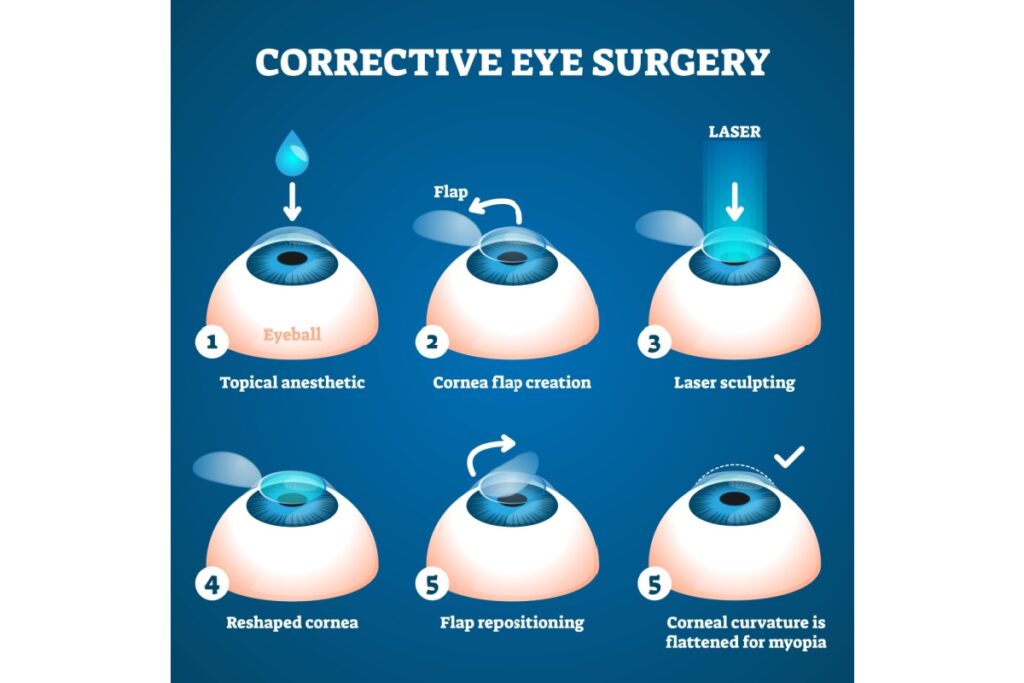
Between choosing a surgeon, understanding the procedure, and managing recovery, laser eye surgery might seem overwhelming. You might be wondering what’s involved and who’s there to guide you through the steps.
Laser eye surgery co-management is a partnership between your local optometrist and the laser surgeon. Your optometrist handles pre-surgery preparation and all post-surgery care, while the surgeon performs the actual procedure.
This team approach gives you continuous support from someone who knows your eye health history and can provide convenient follow-up care close to home. Discover Eyecare offers comprehensive laser eye surgery co-management to guide you through this important vision correction journey.
Your Journey Through Laser Eye Surgery Co-Management
Think of co-management as having a trusted guide who walks with you from start to finish. Your optometrist evaluates whether you’re a good candidate for surgery, prepares your eyes for the procedure, and then takes care of you throughout your entire recovery.
The process happens in three clear phases. First, your optometrist conducts thorough pre-surgery testing and preparation. Next, your team can help share detailed measurements and records with the surgeon in order to prepare for a surgery date. Finally, your optometrist manages your follow-up care, from the day after surgery through to complete healing.
This partnership means you get specialized surgical expertise combined with personalized, ongoing care from someone who already knows your vision needs. Laser eye surgery involves permanently reshaping your cornea, making it important to have continuous professional support throughout the process.
Pre-Surgery Care: Your Foundation for Success
Complete Eye Health Assessment
Your optometrist starts with comprehensive testing to determine if laser surgery can help you with your vision problems. This involves measuring your corneal thickness, mapping your eye’s surface, and checking for any conditions that might affect healing.
The assessment includes reviewing your medical history and current medications that could impact surgery or recovery. Your optometrist will also discuss what you can realistically expect from the procedure. This thorough evaluation helps determine if you’re a good candidate for laser eye surgery.
Preparation Steps Before Surgery
You’ll receive instructions about stopping contact lens wear before your procedure. Contact lenses can temporarily change your cornea’s shape, so taking a break from them helps provide accurate measurements for your surgery.
Your optometrist may also prescribe eye drops to prepare your eyes, and they’ll also coordinate directly with the surgical center for scheduling. You’ll know exactly what to do in the days leading up to your procedure.
Surgery Day Coordination & Support
Your optometrist sends detailed measurements and records to the surgeon. These measurements will help the surgeon, along with their own detailed assessments, perform your procedure.
The surgical team will receive your complete eye health history, including any considerations about your vision or previous treatments. Your optometrist will remain available to answer any last-minute questions that arise on surgery day.
This coordination means that your surgeon will have all the information needed to perform your procedure safely and effectively. You benefit from both your optometrist’s knowledge of your eyes and the surgeon’s specialized skills.
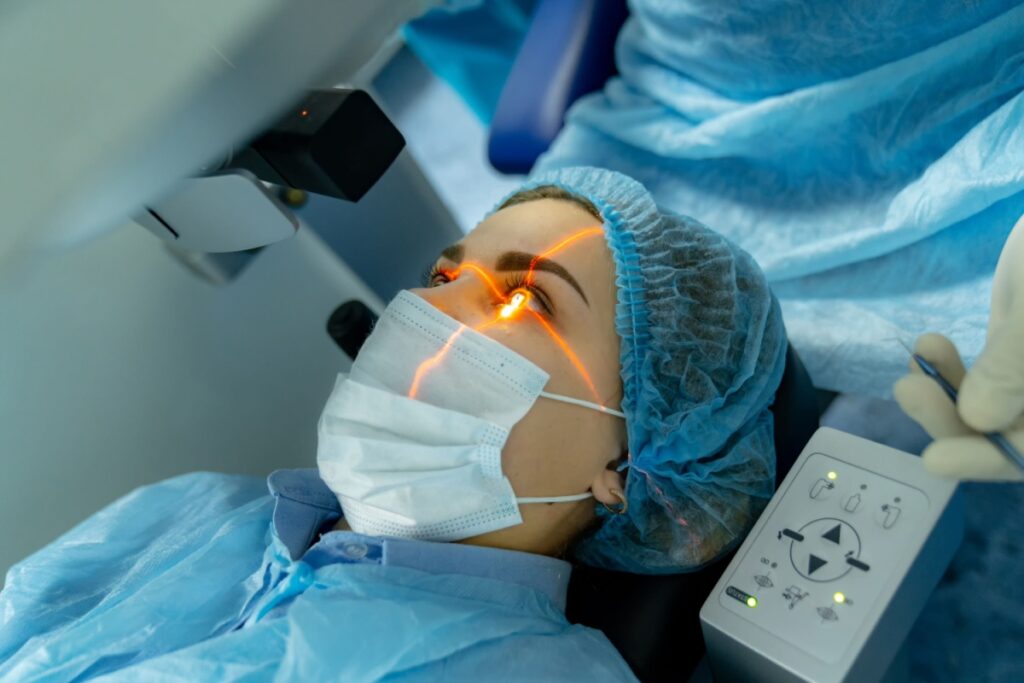
Post-Surgery Care: Your Recovery Partner
Immediate Follow-Up Care
Your surgeon will examine your eyes 24 hours after surgery to check how well you’re healing. This first appointment catches any immediate concerns and confirms that your eyes are responding properly to the procedure.
You’ll receive clear instructions about using prescribed eye drops and which activities to avoid during early healing. Your optometrist can also provide guidance on managing any discomfort you might experience.
Long-Term Recovery Monitoring
Recovery continues for several weeks or months as your vision stabilizes. Your optometrist will track these changes through regular check-ups and will communicate your progress to your surgeon.
If you need temporary glasses during healing or if you experience delayed complications, your optometrist can address these issues quickly. This ongoing monitoring helps provide proper healing and helps your vision reach its potential. Some patients may experience dry eye symptoms during recovery, which your optometrist can help you manage.
Benefits of Local Co-Management Care
Convenience & Accessibility
You can attend your follow-up appointments close to home rather than traveling back to a distant surgical center. This convenience becomes important when you need multiple post-surgery visits in the first few weeks.
If concerns arise during recovery, you can quickly reach your optometrist for evaluation. Quick access to care provides peace of mind during the healing process.
Personalized Attention Throughout
Your optometrist already knows your eye health history and understands how your eyes typically respond to treatments. This familiarity helps them spot anything unusual during your recovery.
After your eyes heal completely, your optometrist continues providing your regular eye care. You maintain the relationship with someone who understands your vision journey from beginning to end. Regular eye exams remain important even after successful laser surgery to monitor your long-term eye health.
At Discover Eyecare, we provide comprehensive co-management services for laser eye surgery, supporting you through every step of your vision correction journey.
Contact our team to discuss whether laser eye surgery might be right for your vision goals.